

Australia Interior Design Trends 2026
As Australians prepare their homes for 2026, a fresh wave of interior design trends is emerging, driven by a desire for warmth, sustainability, and timeless style. These evolving tastes reflect not only aesthetic preferences but also an informed approach to living environments, one that balances comfort, ethical choices, and personal expression. Exploring new colour palettes, materials, and shapes reveals opportunities to create interiors that feel both contemporary and enduring, especially suited to Australian homes that value connection to nature and versatile living.
Embracing Warm, Earthy Colour Palettes
The shift towards earthy tones in Australian interiors signals a return to natural, grounded aesthetics. Shades such as terracotta, rust, olive green, and a variety of warm neutrals have gained traction, moving far beyond the cooler whites and greys popular in recent years. These colours infuse spaces with warmth and invite a sense of comfort, crucial for homes designed for relaxation and everyday living. The practice of colour drenching—applying tonal variations of a single palette across walls, furniture, and decor—creates bold yet harmonious environments that feel thoughtfully unified. This approach works especially well in open-plan living areas, where extending one earthy hue throughout promotes cohesion while allowing texture and form to add subtle contrasts.
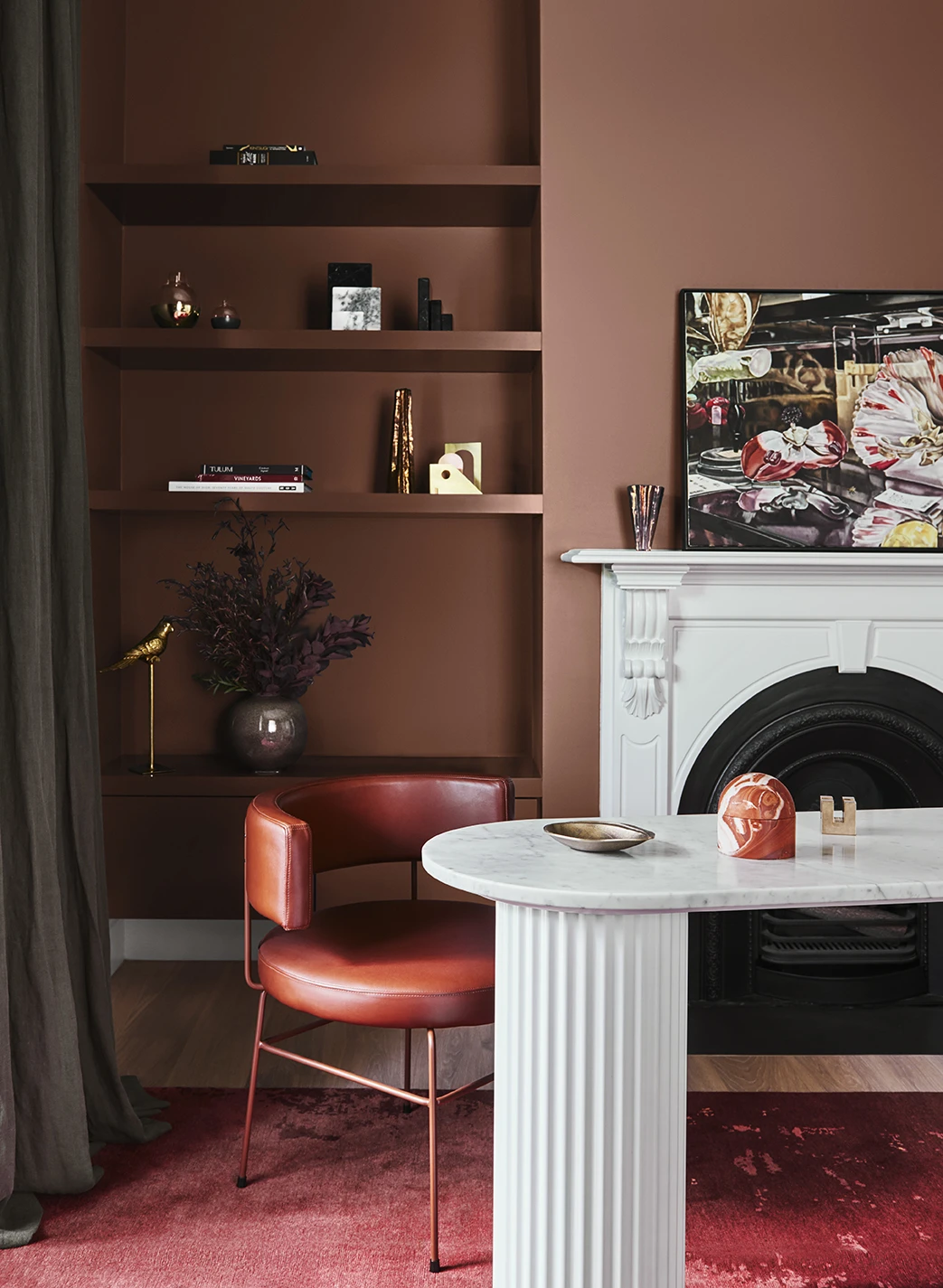
Image Credit: Dulux Australia Dulux Colour: Russet Tan
The Continuation of Curved Furniture and Organic Shapes
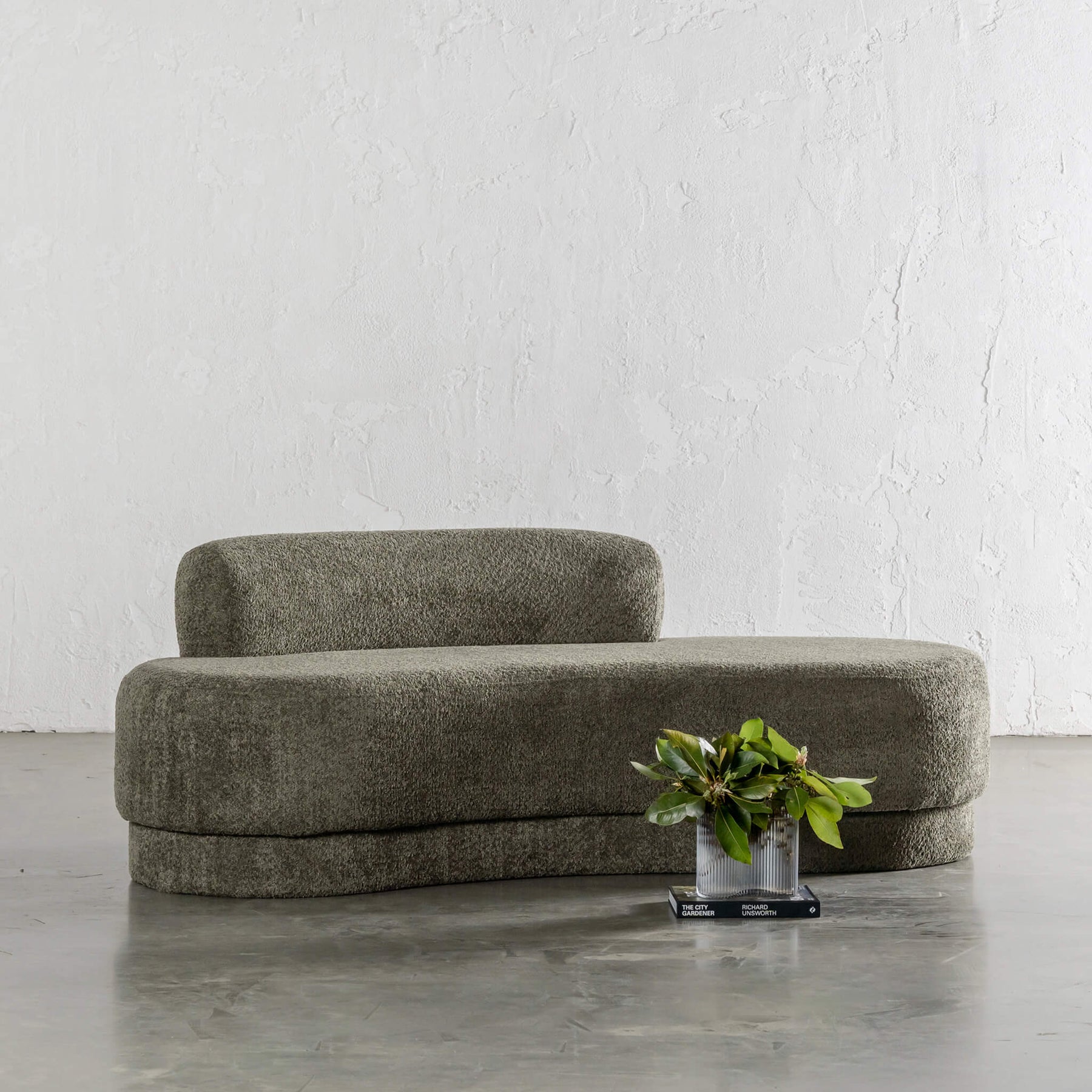
Image Credit: Living By Design SEVILLA CURVE DAYBED
Curved furniture and sculptural forms continue to redefining spatial dynamics in 2026 interiors. Moving away from the sharp angles and rigid lines that once dominated furniture design, these organic shapes introduce softness and a flowing movement within rooms. Rounded sofas, arched doorways, and sculptural accent pieces create a gentle rhythm that encourages relaxation and connection. Integrating these elements can balance angular architecture or linear decor, providing a tactile warmth and visual friendliness. For homeowners considering this trend, mixing a curved lounge with angular shelving or lighting can yield a sophisticated yet approachable harmony that speaks to modern Australian sensibilities.
Natural and Sustainable Materials Taking Centre Stage
The growing emphasis on sustainability continues to shape material choices in interior design. Natural materials such as timber, stone, rattan, linen, and organic fibres dominate because of their durability and inherent tactile appeal. These elements bring warmth, craft, and a sensory richness that synthetic alternatives often lack. Selecting sustainably sourced furnishings and eco-conscious finishes supports both environmental ethics and design longevity. Pieces made from reclaimed timber or handwoven rattan, for example, embody a story and character that enrich a space’s authenticity. Coupling beauty with responsible sourcing empowers homeowners to invest in interiors that satisfy aesthetic and ethical considerations alike.
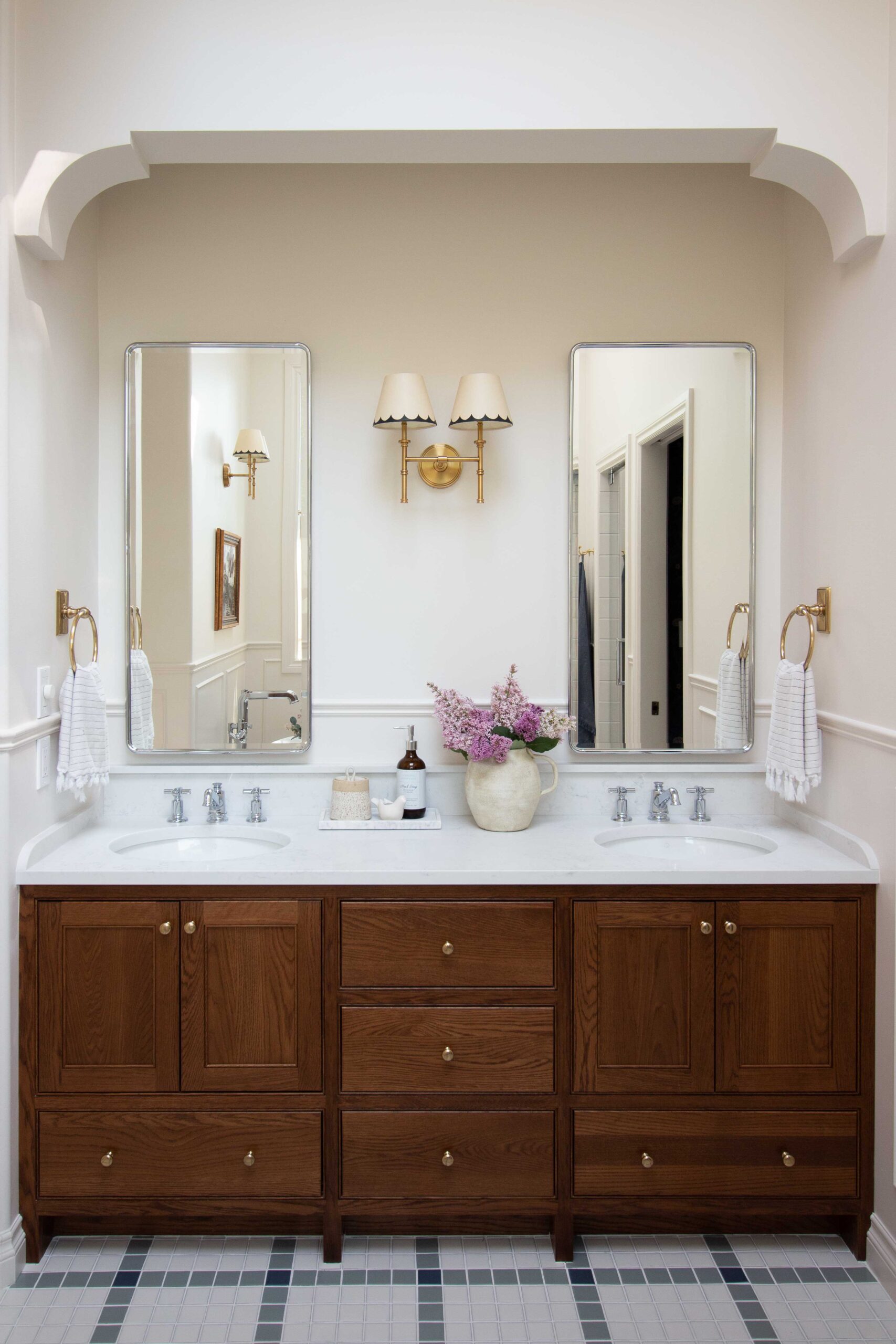
Image Credit: Design by Erin Zubot Design
Colour Drenching: Bold Monochromatic Interiors
Colour drenching immerses rooms entirely within one colour family, enveloping walls, furniture, and decor for a striking statement. This technique heightens the emotional impact of a space, whether through gentle tonal variations or vibrant hues such as chartreuse, indigo, or magenta. While subtle palettes wrap a room in calm sophistication, bolder colours energise and personalise interiors. Importantly, balancing saturated colour drenching with natural textures and organic materials prevents visual fatigue and maintains a welcoming atmosphere. This interplay adds depth and keeps monochromatic rooms feeling dynamic rather than overwhelming.
Layering Texture and Tactile Details
Textural layering is gaining momentum as a design strategy that enriches spaces without complicating colour schemes. Architectural details like fluting, ribbing, and vertical panelling punctuate surfaces with subtle intrigue. Complementing these are soft textiles such as woven throws, wool rugs, and handcrafted ceramics, which introduce warmth and a lived-in comfort. Thoughtful combinations of textured surfaces create layered interiors full of depth and sensory appeal. For homeowners, using textures strategically can transform a restrained palette into an engaging environment, inviting touch and encouraging connection with the space.

Image Credit: Architecture & Interiors by Hecker Guthrie Photography by Anson Smart
Combining Vintage and Timeless Elements
In 2026, combining vintage and antique furnishings with modern designs remains a rewarding way to cultivate character. Vintage pieces often carry a natural patina and craftsmanship that new items sometimes lack, making them valuable both stylistically and sustainably. Incorporating these elements enriches interiors with personality and a sense of narrative, while supporting slow living and circular consumption. Balancing vintage accessories or furniture with contemporary items enables a timeless aesthetic that accommodates evolving tastes without sacrificing cohesion. This approach caters well to Australians who appreciate heritage alongside innovation in home design.
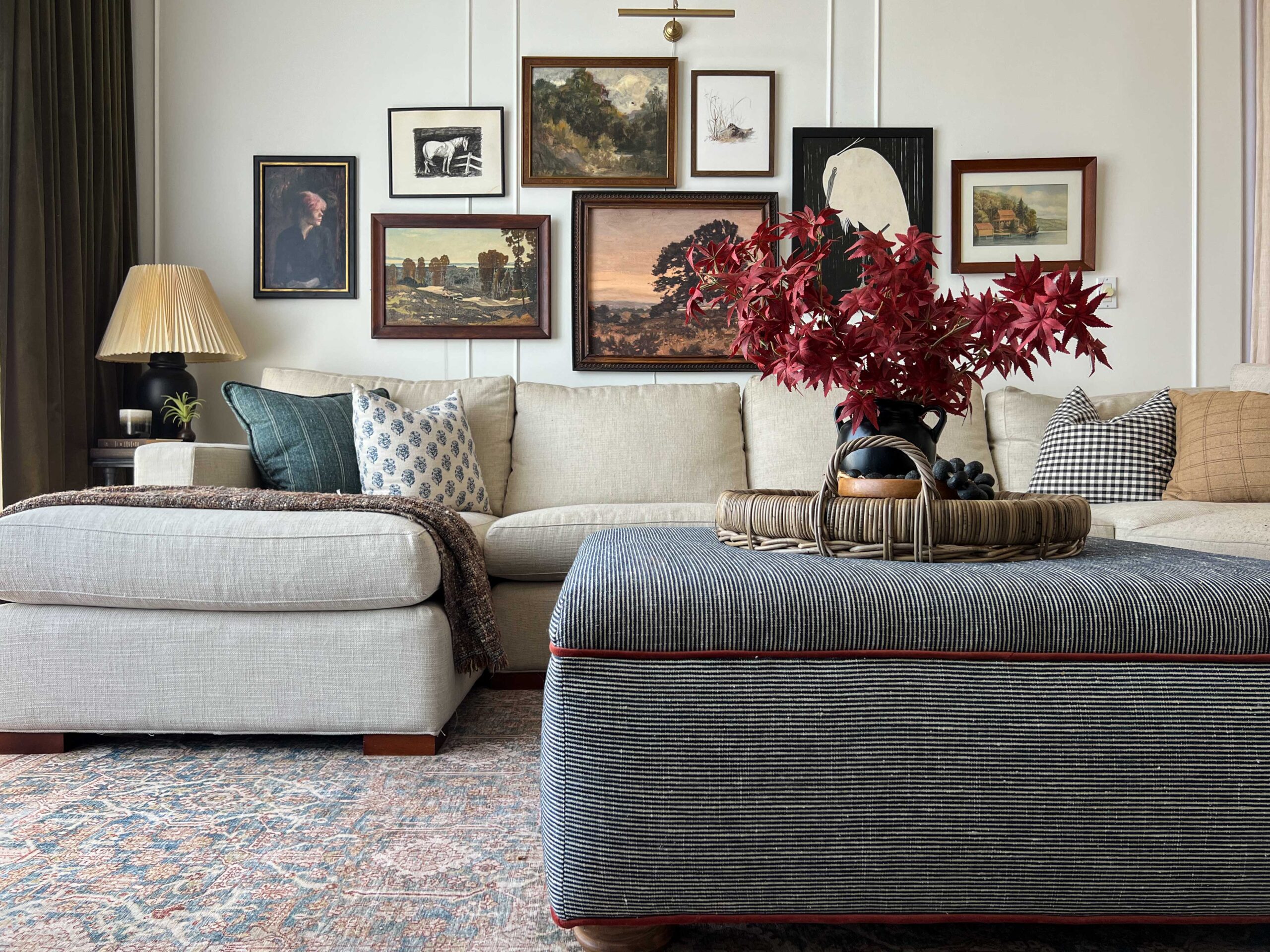
Image Credit: Design by Erin Zubot Design
Sustainable Design Beyond Materials
Sustainability now extends beyond eco-friendly materials into long-term design choices that prioritise durability and adaptability. Investing in modular, repairable furniture counters the cycle of fast trends and disposability, fostering emotional attachment to furnishings. This mindset aligns with slow living philosophies, encouraging conscious consumption and care. Practical steps towards sustainable interiors include selecting pieces with timeless design, opting for local craftsmanship, and maintaining furniture to extend its life. Such choices enhance both home value and environmental stewardship, resonating with Australians mindful of their lifestyle’s footprint.
The Rise of Timber Accents and Warm Wood Tones
Timber has solidified its role as a cornerstone of Australian interior aesthetics, functioning as both a practical and decorative material. The tactile appeal of wood’s grain and texture introduces warmth that complements the country’s sunny, natural light. Dark timbers with rich hues offer dramatic statement-making contrasts, while lighter oaks and reclaimed woods provide versatile, airy alternatives. Key timber elements like dining tables or shelving create focal points, while subtler accents such as picture frames or trim enhance texture without dominating. Embracing timber enriches spaces with natural beauty suited to various styles and budgets.
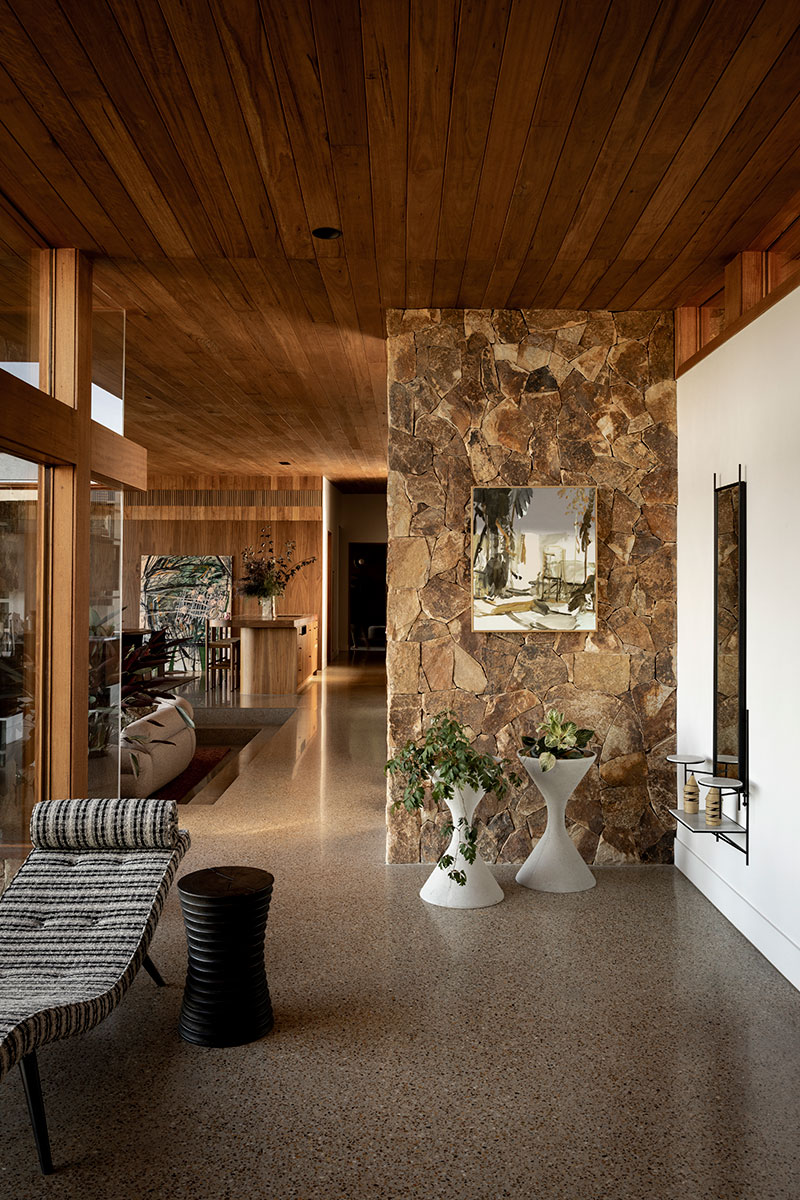
Image Credit: Architecture & Interiors by Dion Keech Architects Photography by Dylan James
Innovative Use of Metallics and Mixed Finishes
Metallic finishes are evolving with a renewed preference for chrome, silver, and brushed nickel over the previously dominant brass. These cooler metals inject contrast and textural interest against the warmth of natural palettes. Used in fixtures, lighting, hardware, or decorative accents, mixed metallics create layered sophistication without overwhelming organic materials. Balancing metallic elements requires care, integrating them sparingly alongside matte and natural finishes to avoid starkness. This nuanced metallic trend caters to Australian interiors seeking fresh elegance while maintaining harmony with sustainable and natural design foundations.
Crafting Australian Interiors for Life in 2026 and Beyond
The interior design trends shaping Australian homes in 2026 weave together warmth, sustainability, and enduring style. Earthy colour palettes, organic shapes, and natural materials encourage spaces that nurture wellbeing and connection, while innovations in texture, metallic finishes, and flexible layouts respond to contemporary living demands. Thoughtful choices—balancing beauty with ethics and function—empower individuals to create interiors that not only look inviting but also align with their values. Designing with intention allows homes to become lasting reflections of lifestyle and personality, embracing the future without sacrificing roots.